Build · Startup Builder
Built it with AI? Great. Now let’s make it real.
From a working prototype to a production product real customers can use—and a future engineering team can own.
Keep what works. Fix what blocks the next business milestone. No rewrite for cleanliness alone.
Describe your prototypeFit
For the step after the prototype.
A good fit when
- — You or your team built a meaningful prototype with AI tools and it already demonstrates the product.
- — Real users, a launch, the first payments, or a customer requirement are getting close.
- — You need senior technical judgement and selective execution, not a rented developer or an automatic rewrite.
Not the right fit when
- — There is no validated problem or working prototype yet.
- — You want low-cost ticket execution or a rewrite without evidence that the current system is blocking you.
- — The work is regulated or safety-critical beyond the expertise we can responsibly bring.
The same path also fits an inherited or fragile product, or software left behind by a departing developer. It starts with the same readiness audit; there is no separate rewrite or rescue package.
Outcome
Make the next milestone safer to reach.
Customers can use it safely
Understand which parts of the working product need attention before real customer data or permissions are involved.
Money and integrations behave
Find the failure and retry cases that can lose an order, charge twice, or leave two systems disagreeing.
You can operate it
Know how changes get deployed, how problems become visible, and what recovery looks like when something fails.
The next team can take over
Leave decisions, tests, and operating context in a form a future engineer or CTO can continue.
These are areas to examine, not a promise that every project needs every fix. The scope follows what the evidence says is blocking the next milestone.
Engagement
Start with evidence. Build only what is needed.
1. Readiness call
A 30-minute fit and qualification conversation: the product, who uses it, the next milestone, and what feels risky. It is not a free technical audit.
2. Production Readiness Audit
A paid, bounded review of the prototype and its operating context. You receive a Launch Readiness Report that separates SHIP NOW, FIX BEFORE LAUNCH, FIX NEXT, DON’T BUILD YET, and open business decisions. The fixed price and scope are agreed before work starts.
3. Build and launch
If useful, agree a fixed scope around the launch blockers. AI can accelerate implementation; Andres owns the technical decisions, reviews, tests, and deployment evidence.
4. Learn and hand over
Use what happens with real users to choose the next change. Document the system and reduce dependency on MoiToi; continue only if there is a clear next outcome.
Ownership
Founder owns the company. MoiToi owns the engineering judgement.
You own
The customer and problem context, product vision, market and business decisions, priorities, and approval of scope and access.
MoiToi takes responsibility for
Technical challenge and trade-offs, the agreed architecture and implementation, review and testing, production rollout, and a useful handover. AI output is input to that work, not authority.
Proof
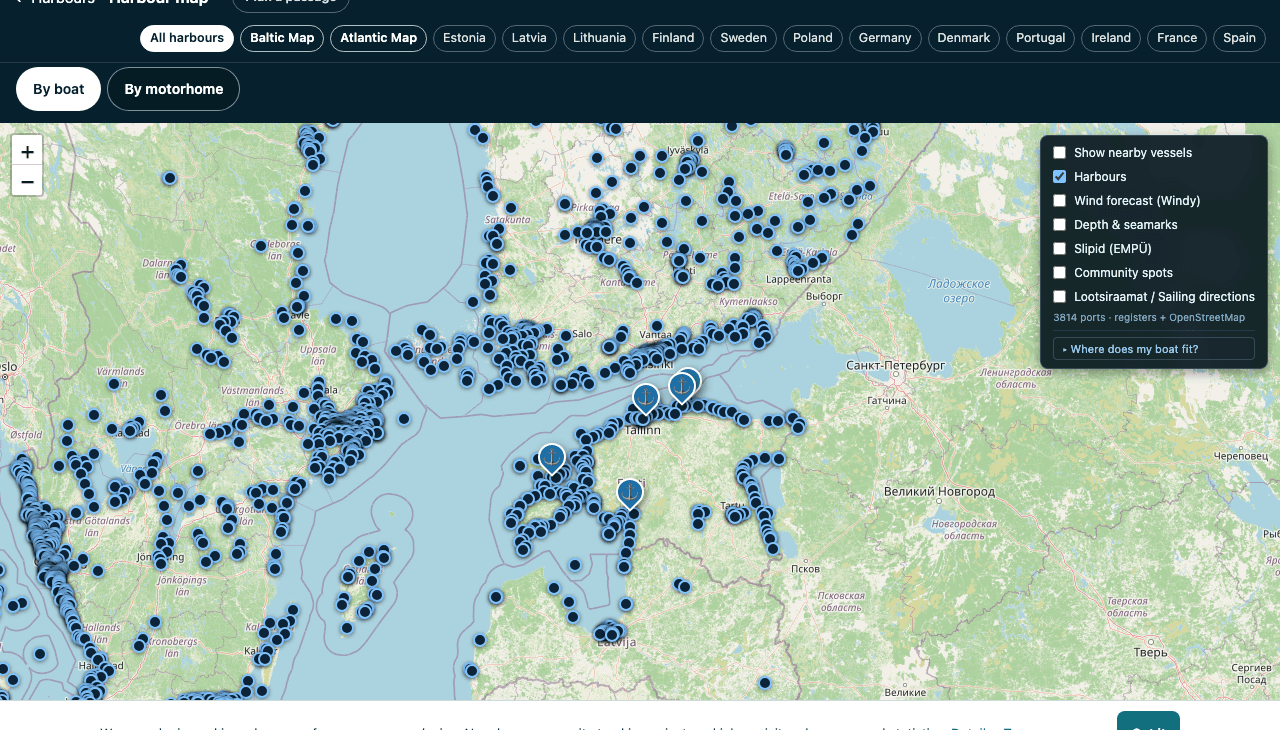
Mervare is the product I built and operate.
Inspectable work
A public harbour directory, booking product, data integrations, and an instrument bridge. The Hara page is a demo with a sample berth layout—not the harbour’s official service.
Questions
Founder questions, answered.
- How do I make an AI-built prototype production-ready?
- Start with evidence, not a rewrite. A paid, bounded Production Readiness Audit reviews the prototype and how it is operated, and produces a Launch Readiness Report that sorts every finding into SHIP NOW, FIX BEFORE LAUNCH, FIX NEXT, DON'T BUILD YET, and open business decisions. Then only the launch blockers are fixed, in an agreed fixed scope.
- Do I need to rewrite an app I built with Cursor, Lovable, Replit or Claude Code?
- Usually not. Keep what works and fix what blocks the next business milestone. A rewrite is only worth it where the evidence shows the current system is the obstacle — never for cleanliness alone.
- What does a production readiness audit check?
- Whether customers can use the product safely once real data and permissions are involved; whether payments and integrations survive failures and retries without losing an order or charging twice; how changes are deployed, how problems become visible and how recovery works; and whether a future engineer or CTO could take the system over.
- Who is Startup Builder for?
- Founders who already have a meaningful working prototype — often built with AI tools — and a real milestone approaching: first users, a launch, first payments or a customer requirement. It is not for an idea without a validated problem, or for low-cost ticket execution.
- Can you take over an inherited codebase or one left by a departing developer?
- Yes. A fragile or inherited product follows the same path and starts with the same readiness audit; there is no separate rescue or rewrite package.
- Who does the engineering work, and who makes the decisions?
- Andres Kepler of MoiToi.TECH, an independent engineering practice in Estonia working with founders across Europe. The founder keeps the product vision, priorities and business decisions; MoiToi takes responsibility for technical trade-offs, implementation, review, testing, production rollout and a handover that reduces dependency on MoiToi. AI speeds up implementation, but its output is input, not authority.
Discovery